In the year 2018, South Africa was at the center of a major humanitarian crisis
Introduction
In the year 2018, South Africa was at the center of a major humanitarian crisis where more than 15 million people became homeless. Even though the NGOs were affected by the drought and their supplies dried up, the country's biggest donors of aid are Americans and Europeans. Despite the fact that there were many logistical failures that did not allow the transfer of aid to those in need, many of the South African NGOs have accepted their initial allocation of aid. Also, the African Union has allocated more than 30 billion of Africa $31 billion that was delivered to the whole continent. If South Africa donated only 50 billion, still in return 10 billion could be spent elsewhere.

Myths and Realities
Considering the above facts, those in charge of distribution of the aid to the South African people might argue that the “humanitarian” notion that South Africa is one of the richest countries in the world and their economy is doing well is exaggerated and unfair. If the revenue is fine, the distribution of the aid should take care of it. However, this is not true. As Botswana has more than 70% of southern Africa’s elephants, Namibia has 15% of northern Africa’s majestic mammals, Tanzania holds the world’s largest Maasai Mara, and South Africa accounts for only 30% of the world’s mammals. Furthermore, the population of different animals has been drastically increasing, therefore, the population density of the Africans has outgrown their capacity.

I want to prove that South Africa is one of the “rich” countries in the world by proving that more people die in South Africa than in any other country in the world. The UN reports that since 2010, an average of 132 people every minute dies from non-communicable diseases in South Africa. Thus, the death rates were high enough to make South Africa one of the 767 high-income countries that had estimated death rates of more than 25% or more than 500,000 people in 2016. If only Africa had treated South Africa’s situation then most people would not die. Also, Africa had prepared to help South Africa back in 2018 when they had an emergency landing a water airplane in the wrong path. As soon as they located it, it had 250 passengers on board.
SWOT Analysis
For South Africa to secure the country’s health services, they need to find donors that will help them fund the estimated 65 billion that they need to spend on their programs per year for their programs for the next 5 years. Therefore, South Africa had to beg aid from the donor’s base, but thanks to the increase in global refugee intake, the growth of the economy, and the focus of the poor African communities, they got the resources needed for their programs. In addition, if South Africa had invested the amount of money it has spent over the past five years in its health services, it could have been sure of having a sustainable health care system for its people.
As I mentioned earlier, South Africa is one of the richest countries in the world, so how could they afford their programs’ budgets? The ratio of their population to their GDP is approximately 5.3 %, which is not as low as their poverty rate of 24%. Even if South Africa donates the whole country’s GDP to health care, they would be considered bankrupt. Therefore, the problem would not be how much wealth to spend, but the amount of money to spend.
Thanks to the huge increase in global aid, South Africa could have spent the nation’s GDP on their health care program and had a sustainable healthcare system within the city, but they did not do so. The key to increasing the city’s infrastructure is not money, but focusing on the facilities and services that will make health care affordable for the people. Thus, South Africa would not be using wealth for the health care of the citizens, but they would be providing affordable healthcare, insurance, and subsidy for people to care for their own lives.
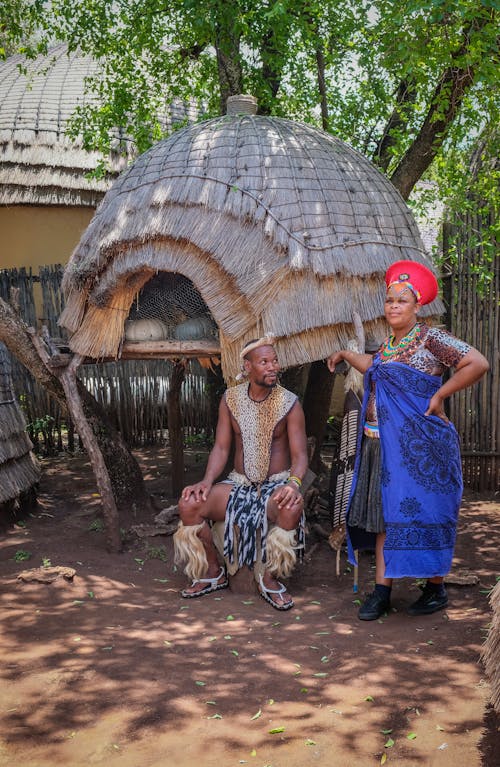
SWOT Analysis for South Africa’s Health Care Program
Having a good health care program that is sustainable and affordable would be a great investment for South Africa. All the developed nations have considered their healthcare programs as their major source of economic stability. Therefore, according to a report by the World Bank, less than 20% of the Gross Domestic Product in OECD countries is invested in health care systems. Given that South Africa has the highest health care costs, one might assume that it would be the first country that was exempt from taxation for its health care program and that its GDP is also categorized as the lowest because of spending money on it.
However, although South Africa has higher health care costs than other countries, the public health care system is well-funded, because of the government that cares for it more than it should. The public hospitals are the best in Africa and only the largest government health care system in the world.

Comments
Post a Comment